 Community Power Club
 Power Back Community Energy
 The generators we work with
 Corporate Volunteering
 Community Energy Kickstart case study
 Powering Communities Fund case studies
 Community energy blogs
 Community energy events
 What is community energy?
 Our team
Local Power Plan: £1 Billion Boost for Community Energy in the UK
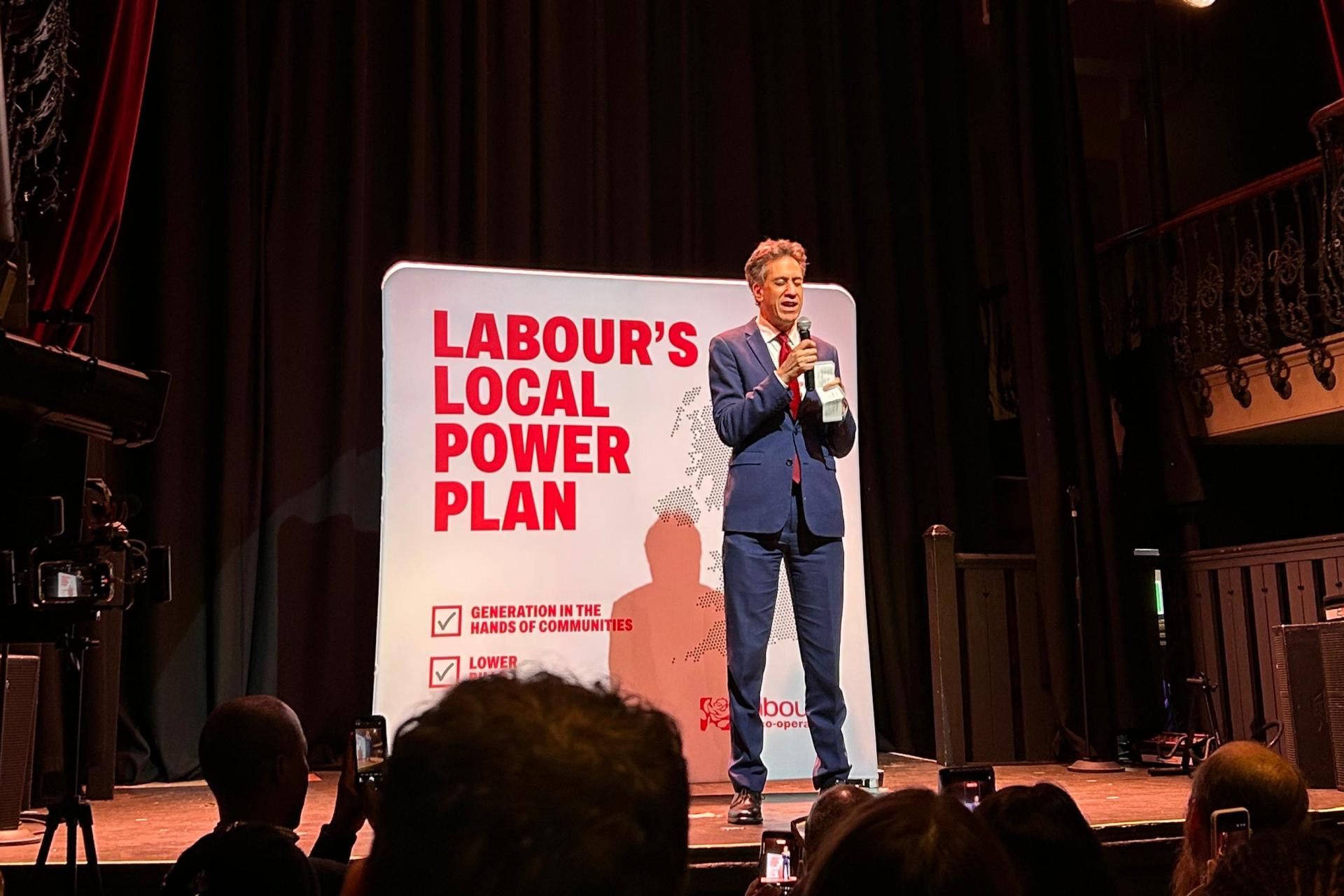
This week saw the headlines that everyone in the community energy sector had been holding their breath for since early 2024, when the idea of the Local Power Plan was first introduced.
Back then, details were vague, so now it’s time to take a closer look at what the Local Power Plan actually involves, the steps put in place, and what it could mean for communities across the UK.

About the project
The largest investment in community energy to date
On February 9th, the Department for Energy Security and Net Zero, Great British Energy, and the Ministry of Housing, Communities and Local Government announced that the Local Power Plan will make up to £1 billion available for community-owned energy projects. This is a historic investment and a strong vote of confidence in a sector that is already delivering huge benefits for both the planet and local communities.

What can you expect
Direct funding and finance for projects
Funding opportunities will be available for all stages of the project lifecycle. Great British Energy (GBE) is working with sector experts and existing funding providers to develop a range of fair and accessible financing solutions, including targeted grants, loans, and project finance. This community-focused approach is designed to support local energy projects and maximise the already considerable pipeline of projects across the UK.
For community energy groups, this means access to early-stage support such as grants for feasibility studies or construction loans, helping take a project from concept through development to full operation.
Capacity and capability building through expert advice and support
Alongside direct funding, GBE will provide a team of experts to help communities plan and deliver their projects. For many groups, the hardest part is turning an initial idea into a fully developed business case. The support will be tailored to community-led groups, helping fill gaps in skills, knowledge, and capacity. It will also support UK-wide collaboration, working with devolved governments to ensure projects are viable and sustainable
A long-term plan to unlock wider investment in community and local energy
The public investment in the Local Power Plan is designed to act as a catalyst to attract private investment. GBE is committed to exploring ways to make it easier for communities to benefit from local energy projects. Currently, many projects face challenges because the energy system isn’t structured to recognise or financially reward locally produced energy. GBE will look at clearer routes for community energy groups to sell their power, helping them attract investment and generate returns that can be reinvested where they’re needed most — back into their communities.
Policy and regulatory changes
The Local Power Plan also signals a shift in how the UK government works with communities, helping them reap the rewards of local energy. To make this £1 billion investment a success, DESNZ is backing it up with ambitious policy and regulatory changes.
Working with Ofgem, NESO, and other stakeholders, DESNZ is committed to:
-
Making it easier for communities to own a stake in projects
-
Giving communities fairer access to energy markets
-
Simplifying the process of selling their power
-
Improving the grid connection experience
-
Unlocking the potential of Smart Community Energy
These changes aim to remove barriers and maximise the impact of community energy across the UK.
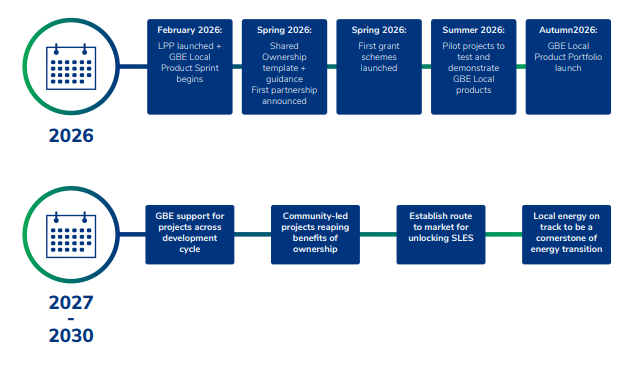
Timelines and next milestones
Why so much funding? And why now?
The Local Power Plan is designed to be the spark that helps the community energy sector fulfil its potential and enable replicable projects nationwide. The funding will support at least 1,000 local and community energy generation projects through a mix of grants and loans.
But why now? With the UK approaching is 2030 Clean Power target, there’s a push to enter what the government calls “a new era of clean electricity.” Community energy clearly has a major role to play in that transition.
According to Community Energy England's State of the Sector 2025 Report, as of September 2025 there were 614 registered community energy organisations in the UK. In 2024 alone, these organisations generated 575 GWh of renewable electricity — enough to power almost 215,000 households for a year.
And here’s the part that really highlights the value of community energy: these organisations contributed £24.5 million to local economies through their expenditure and community benefit funds, while also helping vulnerable people save £1.86 million on their energy bills.
It’s clear why this commitment has come now: the potential of community energy is undeniable, both for its environmental impact and its tangible benefits for local people.