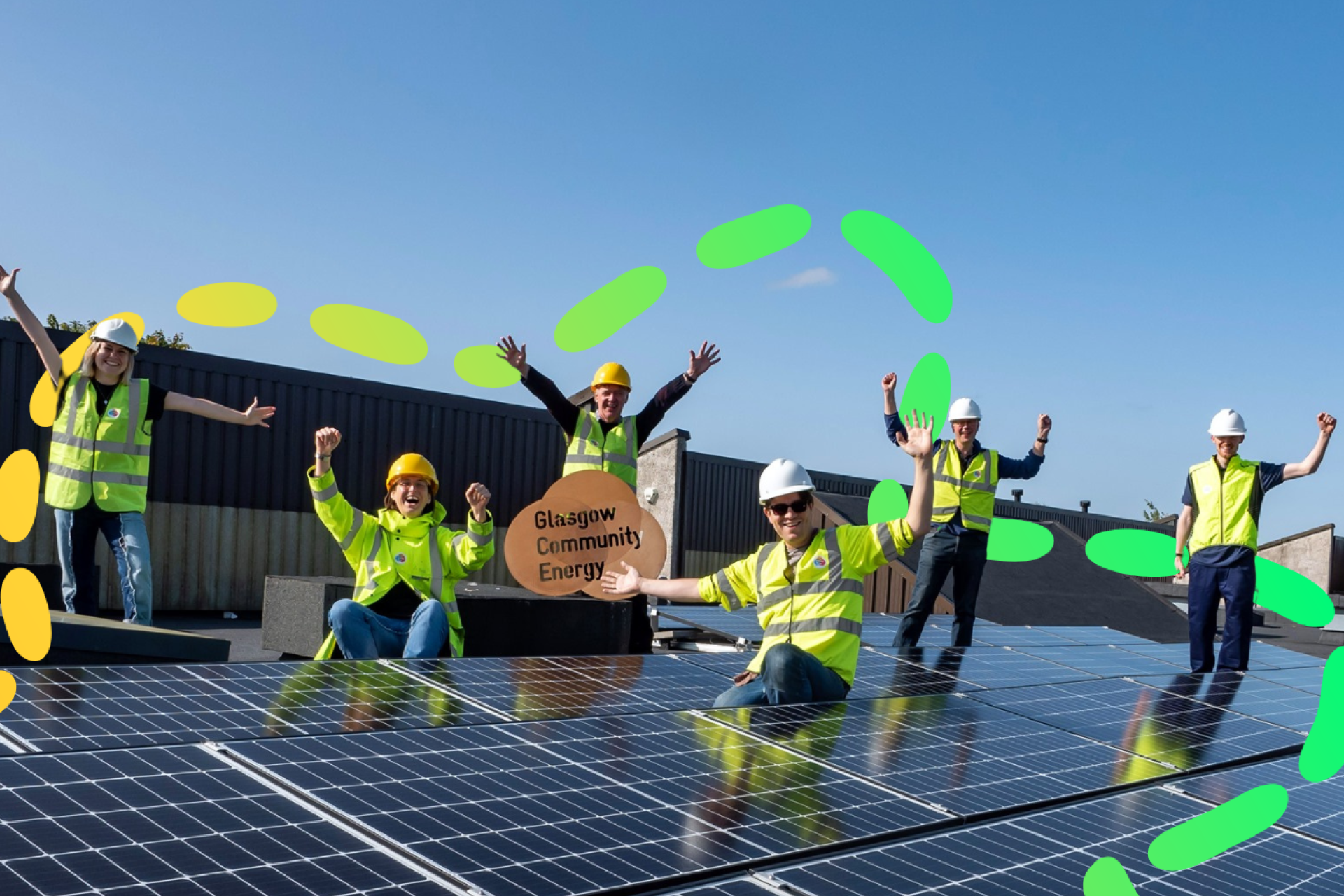
 Community Power Club
 Power Back Community Energy
 The generators we work with
 Corporate Volunteering
 Community Energy Kickstart case study
 Powering Communities Fund case studies
 Community energy blogs
 Community energy events
 What is community energy?
 Our team
Licence Exempt Supply: A Simple Guide for Community Energy Organisations

.jpeg)
About the project
What is Licence Exempt Supply
Put simply, licence-exempt supply allows smaller renewable generators, like community energy organisations, to supply electricity without needing a full supply licence. When it's set up properly, it can create extra revenue by reducing exposure to some environmental levies.
This is possible because of rules set out in Schedule 4 of the Electricity Order (2001), specifically under Class A: Small Generators. To qualify, generators need to stay within a few key limits:
Electricity supplied within these thresholds may avoid certain industry levies—which is where the financial opportunity comes from.
So, how does it actually work in practice, and why are more community energy projects starting to explore it?
Why LES Matters for Community Energy
If you're running a community energy project, you'll know margins can be tight. Even relatively small increases in revenue can have a big impact over time.
LES gives you a way to unlock extra value from the electricity you're already generating. Because some environmental levies don't apply to licence-exempt volumes, the savings can often be shared between generators, suppliers, and consumers.
You might be wondering, if these rules have been around since the early 2000s, why is LES only becoming a thing now?
Until recently, it was just too complicated to separate licence-exempt electricity from standard licensed supply in industry systems. That made it difficult to offer in practice. But that's changed.
The P442 Modification: What Changed?
The real shift came with the P442 modification to the Balancing and Settlement Code, which went live in February 2025.
This introduced the Exempt Supply Notification Agent (ESNA), a role that identifies licence-exempt electricity volumes and makes sure they're correctly hanndled in settlement.
In simple terms, it removed a big chunk of the admin and complexity that was holding LES back.
As a result, suppliers and offtakers are now much more open to building products and partnerships around licence-exempt supply.
Key Benefits of Licence Exempt Supply
-
New Partnership Opportunities
More suppliers are offering LES-based products, giving community generators fresh ways to collaborate.
-
Better Use of Existing Assets
No need for major new infrastructure—these arrangements enhance returns from your current generation assets.
-
Stronger Financial Resilience
An extra income stream can help stabilise projects and make operations more financially resilient.
Limitations and Things to Keep in Mind
-
Matching Supply and Demand
If your generation doesn't line up well with when electricity is being used, fewer volumes will qualify.
-
Limited Control Over Customers
In most setups, you won't have much say over which consumers your electricity is matched with. Many arrangements focus on business users.
-
Policy Changes:
The value of LES depends heavily on government policy, which can change.
What Determines the Value of LES?
- Match Rate
- If your generation doesn't line up well with when electricity is being used, fewer volumes will qualify.
- Your Share of the Savings
- The savings from reduced levies are usually split between you, the supplier and the end consumer. The exact share depends on your agreement.
- Levy Rates
- Some levies change over time, which means the value of LES can vary too. It can also take a while for the final values to be confirmed through settlement.
Curious about our Licensed Exempt Supply offering, the Community Power Club?
You can learn more about this exciting new project launching this Summer and register your interest in Licensed Exempt Supply.