 Community Power Club
 Power Back Community Energy
 The generators we work with
 Corporate Volunteering
 Community Energy Kickstart case study
 Powering Communities Fund case studies
 Community energy blogs
 Community energy events
 What is community energy?
 Our team
Market-wide Half-Hourly Settlement (MHHS) Explainer
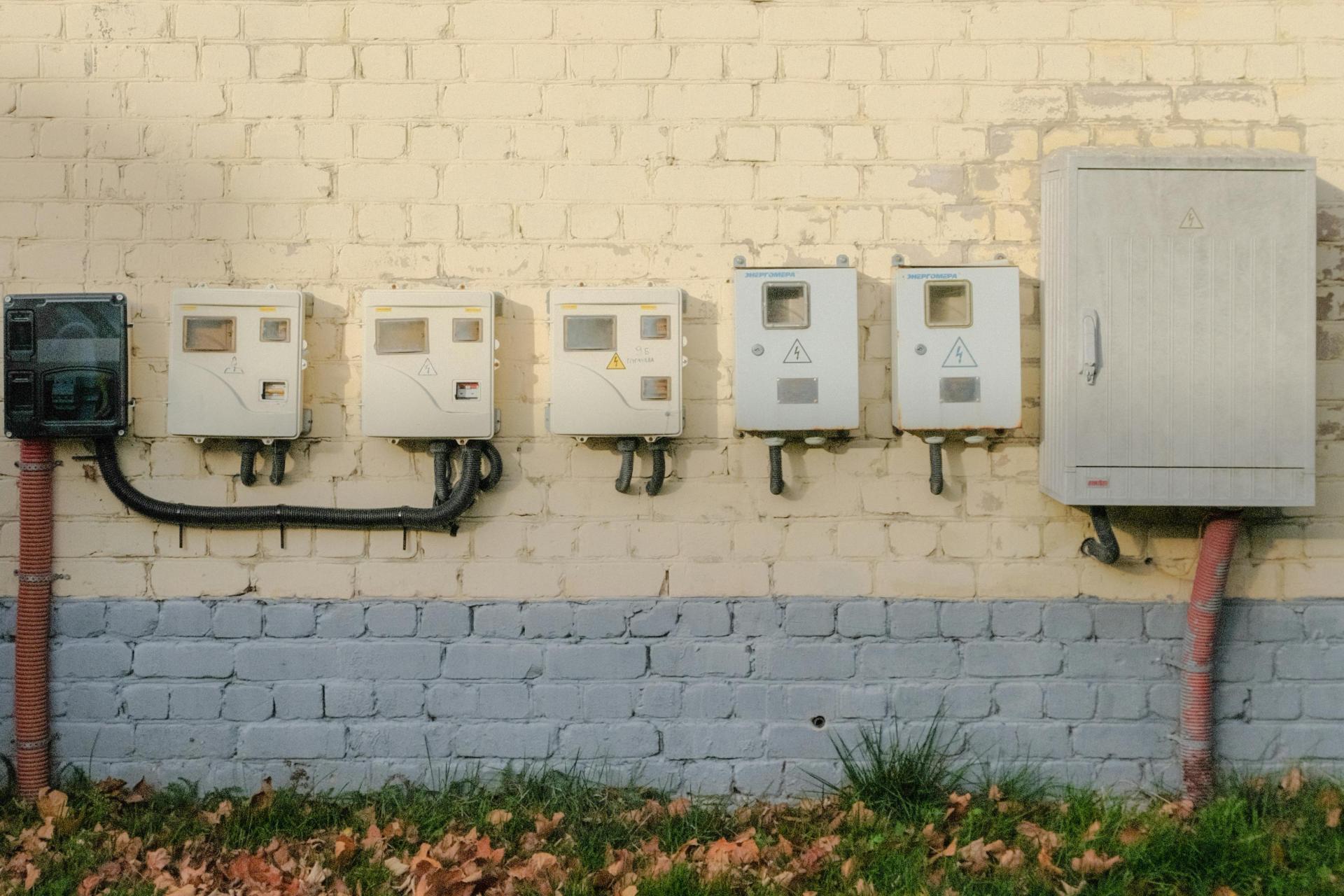
If you’ve been trying to register a new export connection recently and found that the process feels more complicated than usual...you’re not imagining it!
But don't worry, we've written out this handy explainer to bring you up to speed and fill you with confidence on the changes!
About the project
An industry-wide change called Market-wide Half-Hourly Settlement (MHHS) started rolling out last October 2025, and it’s affecting how new electricity meters and MPANs are registered across the market. Suppliers began migrating meters into the new arrangements from 22 October 2025, and this is happening in waves through to May 2027.
For community energy generators, this matters because it affects how quickly a site can go live (and start getting paid for export!) with us.
What is MHHS?
In simple terms, MHHS is a reform designed to make electricity settlements more accurate and better suited to a smarter, more flexible grid. Ofgem predicts that MHHS will deliver consumers a net benefit between £1.5bn and £4.5bn by 2045!
Historically, a lot of smaller sites were settled using older non-half-hourly (NHH) arrangements, which relied more heavily on estimates and profiling. MHHS moves the market toward much more granular settlement using half-hourly data and new, centralised systems.
That might sound quite far removed from a rooftop solar project or a community-owned installation, but the main knock-on effect is that new metering and registration activity now has to fit into a market that is part-way through a major migration.
What changed last October
Energy suppliers started migrating meters into the new MHHS arrangements. Not every meter or supplier is migrating at once, and some suppliers may not have even started migration yet. Suppliers and other market participants are qualifying and migrating in different waves, and Elexon has said all suppliers must be able to access meters under the new MHHS target operating model by 28th October 2026, with full implementation completing by May 2027.
That means we’re currently in a mixed market. Some parties are operating under the new MHHS framework already, while others are still catching up. One of our parent companies, Octopus Energy, decided to be an earlier adopter and has been migrating sites since October.
Why does this affect new export connections?
For many community energy projects, the issue is not the solar array or the physical connection itself. It’s the registration set-up behind the scenes.
MHHS-qualified suppliers must follow the MHHS new connection procedures for MPANs during the transition period, and all new connections made after October 2025 will need to follow the MHHS new connection process. Meanwhile, suppliers that are not yet qualified are able to continue using legacy processes until they are MHHS-qualified.
What does that mean for your site?
If you’d like to sell your energy to a supplier that’s MHHS-migrated and you’re installing a new export meter, or registering export at a site that has never been programmed for export before, there are a few things to be aware of.
-
Import and Export MPANs are linked and because of this, the Export cannot be registered with an MHHS-supplier for the first time if the Import is not yet MHHS-migrated.
-
All parties in the arrangement need to be MHHS-migrated, including the Import Supplier and Meter Operator Agent (MOP).
These checks can save a lot of back-and-forth later.
What are the options if a site gets stuck?
At the moment, where a site can’t move forward under an MHHS-migrated export route, the practical options are usually one of the following:
-
You ask the import supplier when they expect to migrate the import to MHHS
-
You switch the import supplier and/or Meter Operator Agent (MOP) to parties that are MHHS-ready (although we appreciate most community energy generators may not have a say in who the import supplier is).
-
You wait until the current parties are compliant.
-
Or you sell your energy to an alternative offtaker who is not MHHS-migrated yet and can register your export site using the legacy processes
If you aren’t sure what the best option for your project is, we would be happy to discuss this with you.
Why this matters for community energy
Community energy projects are already juggling enough: host sites, installers, legal docs, DNO processes, fundraising, volunteers, and timelines that rarely go exactly to plan.
MHHS should bring long-term benefits to the market by making settlement more accurate and more reflective of what’s actually happening on the system. But in the short term, during this transition window, it does add another layer that groups need to understand when setting up new export connections.
The good news is that once you know where the potential pinch points are, you can ask the right questions earlier and avoid surprises later.
Final thoughts
If you’re working on a new connection and hearing terms like MHHS, migration, linked MPANs, or MHHS-ready MOPs, don’t panic. The main thing to know is that new export registrations now sit within a changing industry process, and the import side of the site can be a key part of whether things move smoothly.
For community energy groups, the best approach is to flag any upcoming projects to us early, check the MHHS-readiness of the import supplier and metering arrangements, and build in a bit more time than you might have done previously to start getting paid for your export.