 Community Power Club
 Power Back Community Energy
 Saving money on your energy bills
 Corporate Volunteering
 Community Energy Kickstart case study
 Powering Communities Fund case studies
 Community energy blogs
 Community energy events
 What is community energy?
 Our team
October PPA Market Update

About the project
PPA price trends: October 2026
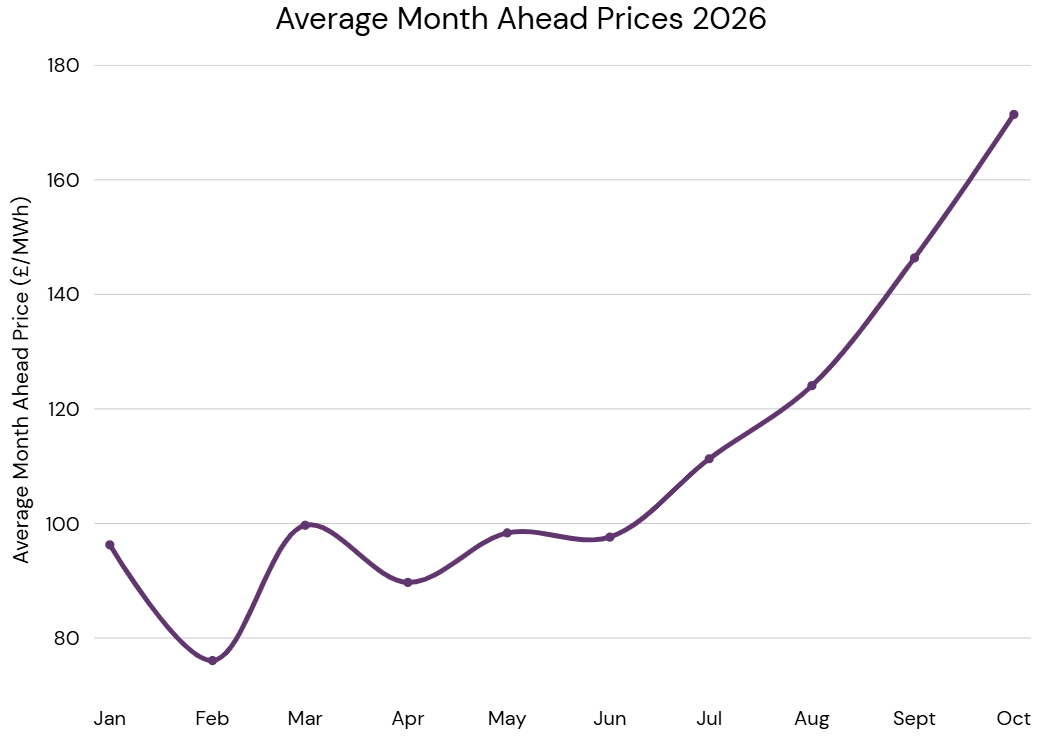
Wholesale month-ahead prices continued another steep rise during October, averaging around £172/MWh compared with £146/MWh in September – an increase of roughly 18% and the fourth consecutive monthly rise.
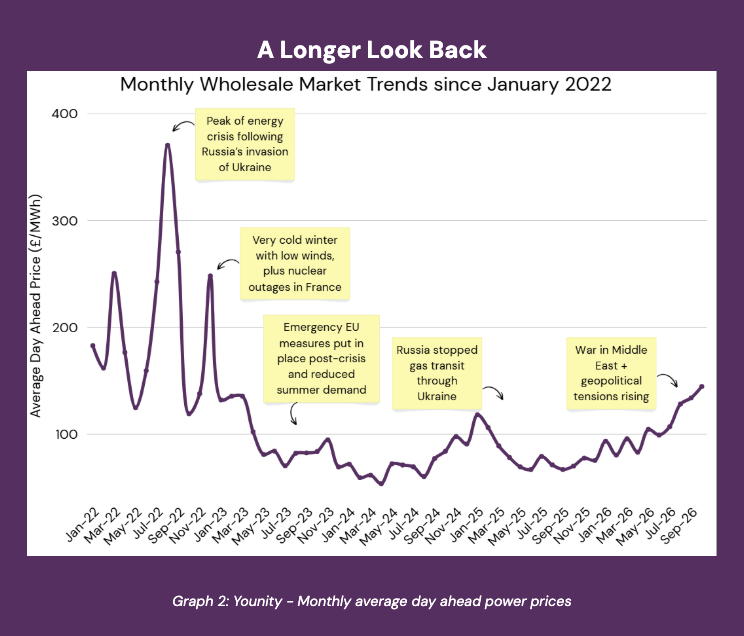
Once again, gas markets were the biggest driver. Renewed tensions in the Middle East and continued disruption to global Liquefied Natural Gas (LNG) supplies pushed prices higher, while Europe entered the winter heating season with gas storage levels lower than last year. Tough competition with Asia for LNG cargoes had an impact, as well as outages affecting Norwegian gas infrastructure adding further pressure. By the end of October, European gas prices had reached their highest level since the 2022 energy crisis.
Across Great Britain, periods of low wind (yes, really!) and reduced nuclear availability also increased reliance on gas-fired generation, particularly towards the end of the month. This combination saw both gas and power prices climb sharply, with winter power prices rising by around a third over October.
As we enter November, there has been some relief, with gas and power prices falling on hopes of progress in talks around Iran and stronger LNG deliveries into Britain. However, prices remain well above where they were at the end of September, and relatively low gas storage levels, winter weather and wind generation will all remain important factors to watch over the coming months.
A longer look back
The Energy Independence Bill now in a Parliament near you!
The government introduced its new Energy Independence Bill to Parliament on 4th November 2026, setting out a wide-ranging package of reforms covering energy bills, consumer protection, the electricity market and the development of new clean energy projects.
For community energy, one of the most significant proposals is a stronger role for local people in new renewable projects. The Bill will support plans for developers to offer communities the opportunity to take up to a 20% stake in new renewable energy projects. It will also allow mandatory community benefit arrangements to be introduced for new onshore wind and ground-mounted solar projects over 5MW, with minimum contribution levels and greater transparency over how benefits are provided.
There are some interesting changes for the wider electricity system too. The Bill will enable charges currently faced when stored electricity is exported back to the grid to be removed, which could improve the economics of batteries and vehicle-to-grid charging. It will also support reforms to electricity market rules and grid connections, alongside formally establishing the new Great British Grid in law.
For households, the reforms also include plans to abolish gas standing charges, strengthen Ofgem's consumer protection powers and make permanent the move of 75% of domestic Renewables Obligation (RO) costs from bills into public spending. The government says around 60% of gas customers could save an average of £45 a year from the standing-charge change, although the costs will instead be recovered through gas unit rates.
Many of the details still need to be developed through regulation and further reforms, so the practical impact will depend on how measures such as shared ownership and community benefits are designed. However, the direction is clear: communities are being given a more formal role in how new renewable projects are owned and how the benefits are shared.
School solar PPAs on pause
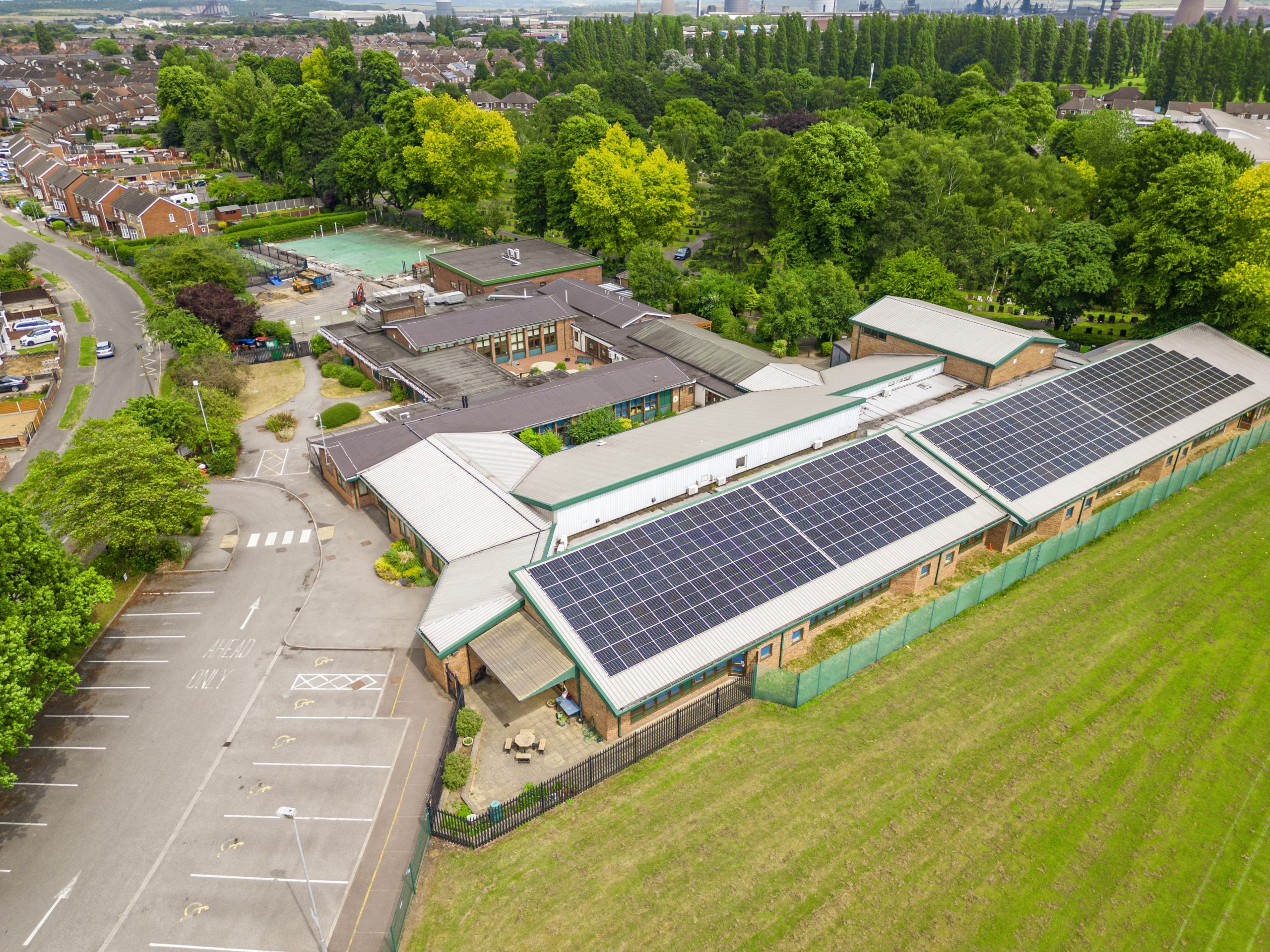
The Department for Education is developing a standardised Power Purchase Agreement (PPA) and rooftop lease for solar projects on schools and colleges in England, with the aim of making privately financed solar easier to roll out at scale.
While the new contracts are being tested, approval of new school PPA projects has effectively been paused. Community Energy England have written a piece here, supporting the principle of standardisation but have raised concerns that some draft terms could make it harder for smaller community-energy organisations to participate.
The final templates are expected shortly, so we’ll be watching closely to see what the new model means for community-owned school solar.
Future of community energy modelling
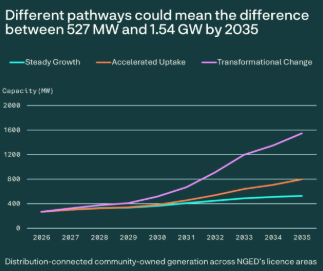
New modelling from Regen suggests community-owned renewable generation across National Grid Electricity Distribution’s regions could grow from 265MW today to as much as 1.5GW by 2035.
The research modelled several possible futures for the sector. If growth continues at roughly its current pace, community-owned generation could reach around 527MW by 2035. Under a more ambitious scenario, supported by stronger shared ownership, better access to finance and clearer grid arrangements, that figure could rise to 1.5GW.
Could bundling projects unlock more investment?
Great British Energy and the Green Finance Institute are exploring whether smaller local energy projects could be bundled together into larger portfolios to make them more attractive to institutional investors.
The idea is that individual solar and storage projects on public-sector sites can sometimes be too small to attract commercial finance on their own. Grouping them together could create a larger, more investable portfolio and potentially unlock new sources of debt and equity funding for local energy. GBE is now seeking investor views on what those financing structures would need to look like.
We hope you found this update useful in making sense of the wonderful world of energy. If you’d like to chat about how these trends affect your site, or if you want to check your contract renewal dates, just let us know.