 Community Power Club
 Power Back Community Energy
 Saving money on your energy bills
 Corporate Volunteering
 Community Energy Kickstart case study
 Powering Communities Fund case studies
 Community energy blogs
 Community energy events
 What is community energy?
 Our team
Community Energy State of the Sector 2026: Our First Reactions
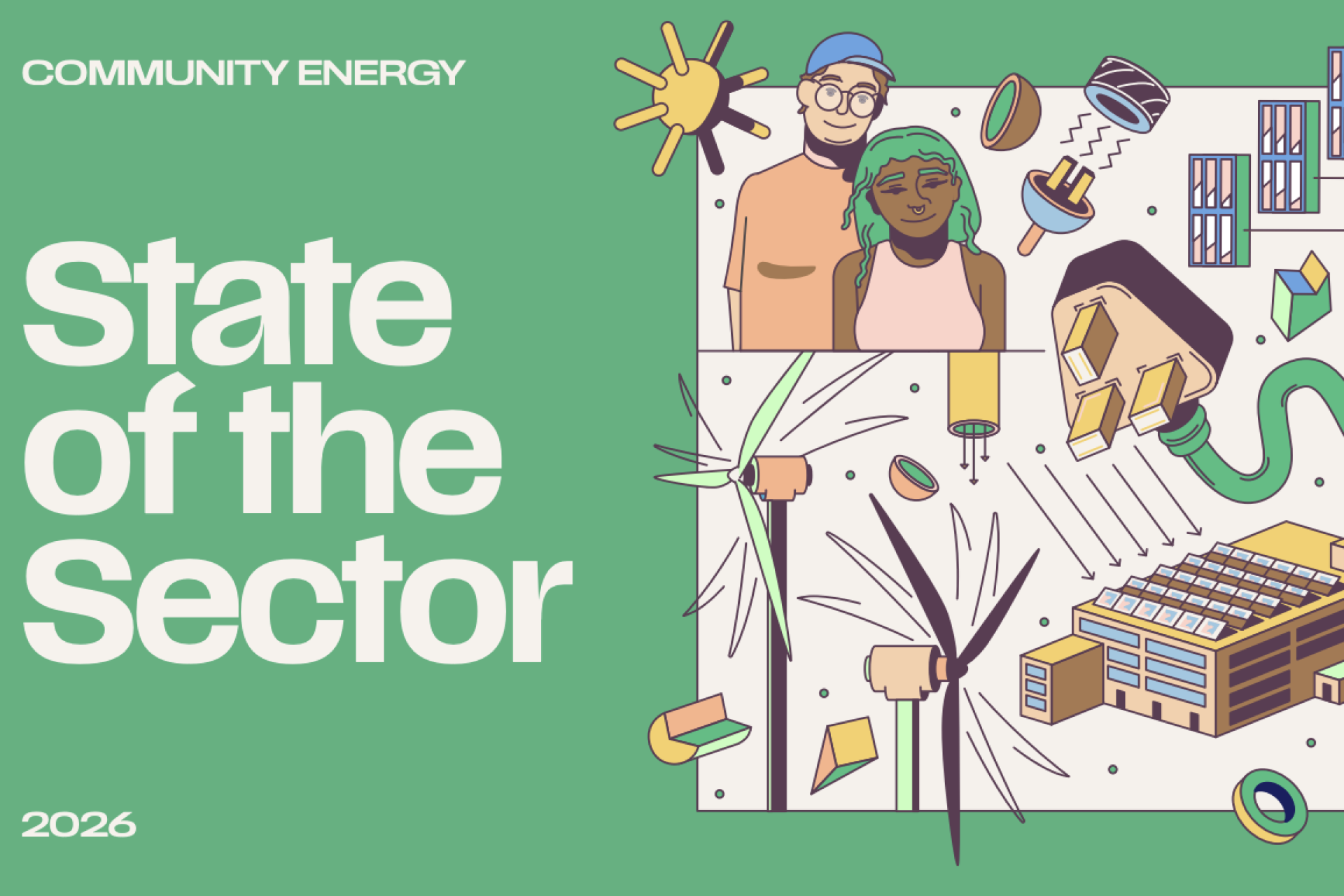
The Community Energy State of the Sector 2026 report is out, and our initial reaction is one of cautious optimism. The sector continues to grow, reaching more communities and delivering greater benefits than ever before. But it also highlights challenges we have to overcome.
We've picked out some of the findings that stood out to us and what we think they mean for the sector. This is just our first look, with a more detailed analysis to follow.

About the project
A growing sector worth celebrating
There are now 660 community energy organisations across the UK, representing almost 90,000 members and more than 1,600 operational sites. That's around 7% more organisations than last year.
Community-owned generation capacity has also reached 452MW, up 39% since 2020. Together, these projects generate an estimated 661GWh of electricity every year, enough to power around 244,000 homes.
That's significant progress, particularly against a backdrop of rising costs and an increasingly challenging funding environment. It shows that communities remain committed to taking greater control of their energy and building a more sustainable future.
More than just generating electricity
One of the most encouraging findings is the wider impact community energy is having beyond simply generating clean electricity.
Community benefit funding reached £6.3m in 2025, with 90% of available funds distributed. Meanwhile, 73% of sector expenditure stays within local communities.
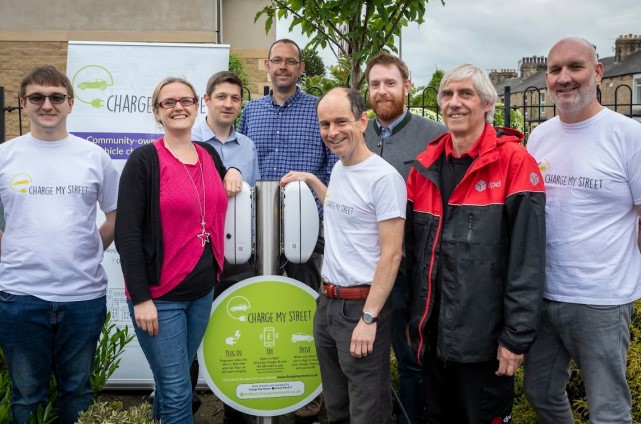
Groups are also exploring new technologies and services. Across the sector, organisations now own 439 EV charge points, alongside an estimated 5MW of low-carbon heat capacity and 4.9MWh of energy storage.
Community energy is no longer just about putting solar panels on rooftops or developing wind projects. It's increasingly about the role communities can play in the wider energy transition, from generating and storing electricity to helping households use energy more efficiently.
The challenges we can't ignore
Despite this growth, there are some worrying signs beneath the surface. Reported investment has fallen by 19% since last year, while net employment across the sector has also declined. Much of the work continues to rely on volunteers, with 4,683 people supporting organisations across the UK, an average of just seven per organisation.
Project development remains another significant challenge. There are currently 359MW of stalled projects, representing an estimated £29m in potential annual revenue that isn't being realised. Grid access remains one of the biggest barriers to getting projects off the ground.
There are also questions about the long-term financial sustainability of existing projects. Around 45% of operational generation capacity still benefits from Feed-in Tariff contracts, many of which will begin expiring in the 2030s. As these contracts come to an end, some organisations could see their income fall considerably.
Together, these findings highlight a growing gap between the sector's ambitions and the resources available to deliver them. The appetite to develop new projects is there, but securing the investment, people and infrastructure remains a real challenge.
People and funding: getting to the heart of the problem
Two challenges stand out: access to funding and finding the people needed to deliver projects.
Turning ideas into reality takes time, specialist skills and the capacity to make things happen. For smaller organisations, particularly those reliant on volunteers, finding that support can be difficult.
It's one of the reasons we launched Community Energy Connect. Our free volunteering platform connects community energy organisations with people looking to share their skills and experience, helping groups access support that might otherwise be difficult to find.
Volunteering isn't a replacement for properly funded roles or a solution to the sector's wider funding challenges. But it can make a meaningful difference, easing pressure on existing teams and helping projects move forward.
Community Energy Connect already has almost 500 registered volunteers looking to get involved in community energy, with more than 100 opportunities posted on the platform. Around 90% of these opportunities have resulted in a successful match, showing the value of connecting organisations with people keen to support their work.

What happens next?
The report sets out recommendations to support the sector's future growth, from improving grid connections and access to finance to making better use of public land and rooftops
We'll explore these in more detail in a separate blog, alongside a closer look at the data and how this year's findings compare with previous reports.
For now, our takeaway is that community energy has come a long way, but its continued growth shouldn't be taken for granted. The sector has the ambition, ideas and community backing to play a much bigger role in the UK's energy future. What it needs now is the investment, infrastructure and support to make that happen.
Read the full Community Energy State of the Sector 2026 report and find out how Community Energy Connect can help your organisation access volunteer support.